The BA Takes Part in the 2026 Cairo International Book Fair with Two Distinctive Pavilions
Posted on
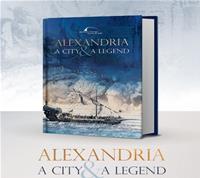
The Bibliotheca Alexandrina is taking part in the 57th round of the Cairo International Book Fair, held from 22 January to 3 February 2026 at Egypt International Exhibition Center in the Fifth Settlement, with two distinctive pavilions, one for sales (Hall 1, Pavilion B5) and the other for display (Hall 3, Pavilion B2).
Among the most prominent publications displayed at the fair is Alexandria: A City & A Legend, published by the Alexandria and Mediterranean Research Center (Alex Med), with a foreword by Dr. Ahmed Abdullah Zayed, Director of the Bibliotheca Alexandrina, and authored by a select group of professors and experts specializing in Alexandrian and historical studies.
Additionally, the display features the book Inscriptions of Mamluk Decrees and Orders in Syria, authored by Dr. Farag Al-Husseini and released by the Writing and Scripts Center, the book Alexandria: Past and Present, published by the Alexandria and Mediterranean Research Center (Alex Med), and the sixth issue of the journal Manuscript Sciences, a distinguished publication that opens a window onto Arab and Islamic heritage.
Also on display is the eighth and most recent issue of The Memory of Arabs, a peer-reviewed scientific journal that includes research papers on a variety of topics.
The pavilion will also include the "Heritage of Humanity for Young People" series, which aims to spread awareness and knowledge in all disciplines, in a simplified and engaging manner, to all young people in Egypt and the Arab world.
It is worth mentioning that the Library will display its periodical publications, the most important of which is The Memory of Egypt magazine, which examines Egypt’s heritage, identity, and national history.
Other publications featured in the book fair are "Marassed" and "Awraq" series, along with the annual international scientific peer-reviewed periodical Abgadiyat, the "Coptic Notebooks" series, as well as the series of plays produced by the CULTNAT’s National Project for the Documentation of Theatrical Heritage.